Industrial flooring at home, is it a practical solution?
Industrial flooring in the home can be a practical solution, especially in rooms that require exceptional strength and ease of cleaning, such as a garage, basement, kitchen or bathroom. It is extremely resistant to damage, well tolerates loads and is easy to maintain.
However, the aesthetics of industrial flooring is not for everyone. The industrial style is dominated by raw, unfinished surfaces and minimalist forms. If this is in line with your style, it may be a good solution.
Be sure to before deciding on the pouring of concrete flooring, get advice from a specialist or a repair company. They will be able to provide appropriate advice on materials, installation process and costs.
If you choose industrial flooring, remember that while it is durable and easy to maintain, it can also be hard and cold. Consider adding rugs, mats, or other soft surfaces in places where you spend a lot of time standing to improve comfort.
Industrial flooring at home can be a great solution if you value practicality above all else. However, remember that not every room is suitable for this type of flooring.
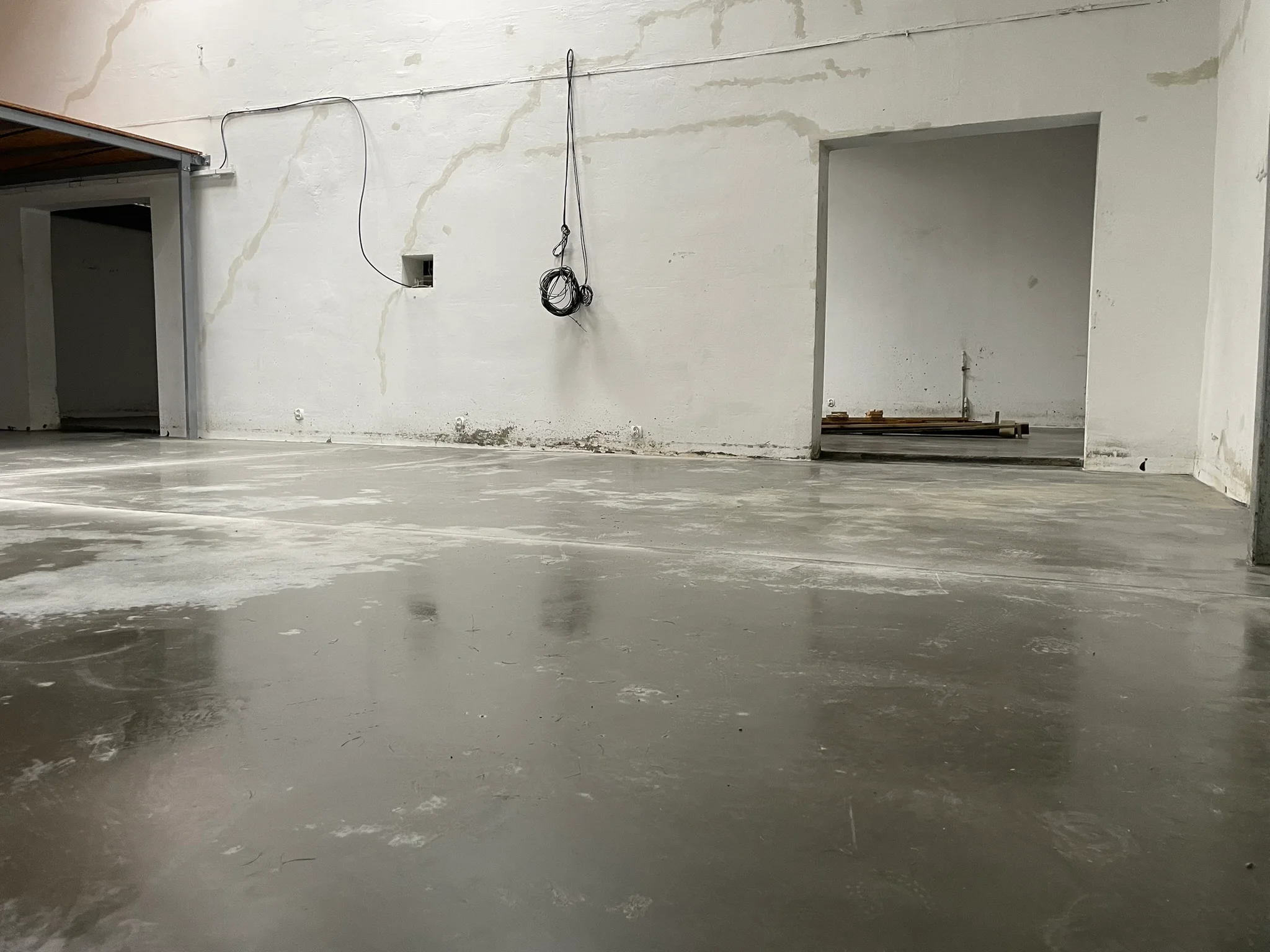
Industrial flooring or polished concrete at home, which is better?
Both industrial flooring at home and polished concrete have their advantages and disadvantages, and the decision to choose between them depends on individual needs and preferences.
Industrial flooring is extremely durable, resistant to damage and easy to maintain. It is an excellent choice for garages, warehouses, basements, kitchens and bathrooms. There are different versions of industrial floors, which differ in appearance and properties.
Polished concrete, on the other hand, is created by grinding the concrete surface and polishing it. This effect gives an elegant, shiny look that is suitable for modern interiors. This flooring is also durable and easy to maintain, however it can be more slippery, especially when wet. In addition, it may require more work and specialized equipment to install.
Both options are good for those looking for durable and easy-to-clean solutions. The specific choice depends on your personal preferences and requirements related to the installation site. If you still have doubts, it is best to consult a professional who can advise which option will be best for you, industrial flooring at home or polished concrete.
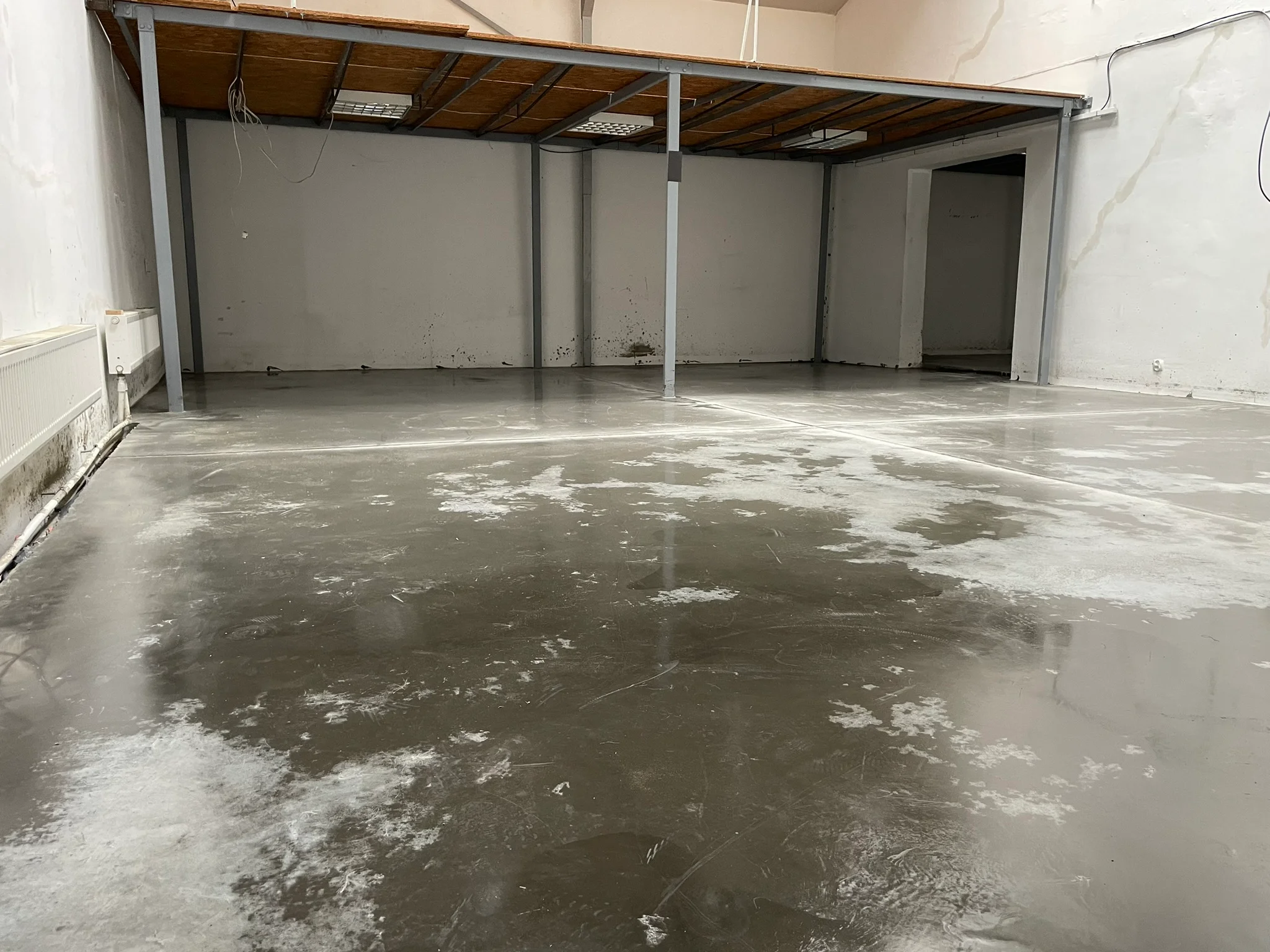
When ordering an industrial floor at home, what to pay attention to?
Different materials of industrial floors have different characteristics.
Some are more resistant to damage or moisture, others may be more aesthetic. Choose the material that best suits your needs. It is good to pay attention to the experience of the company or professional who will install the flooring. Checking the testimonials and opinions of other customers can help you choose the most competent contractor.
In addition to the price of the material itself, remember about the installation costs. Some materials may require specialized equipment for installation, which can increase costs. At home, floors with anti-slip properties are definitely useful, especially in bathrooms, kitchens or utility rooms. Some industrial floors require a longer time to harden. Make sure you know how long it will take to streamline the planning process.
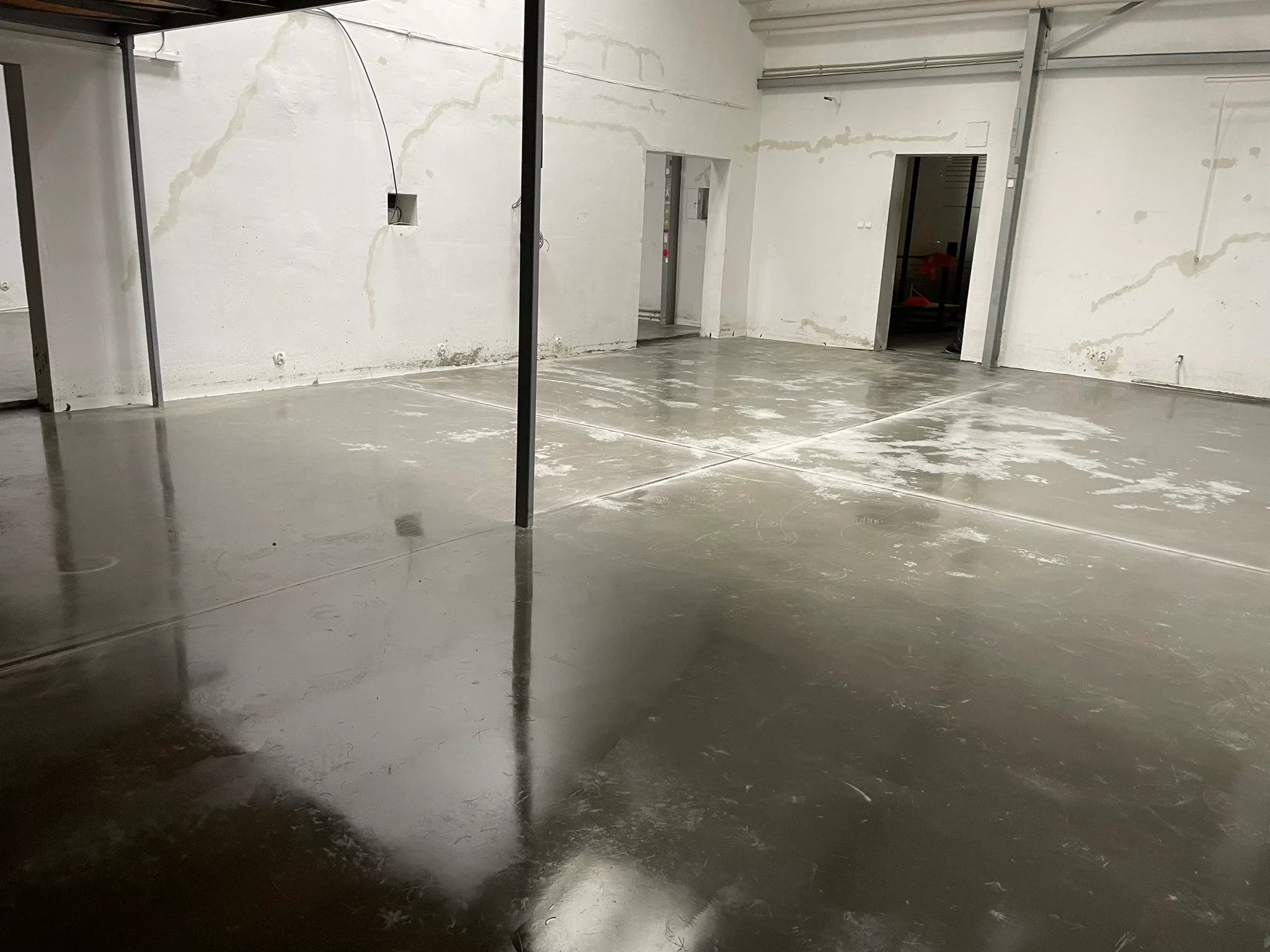
It is important to find out what cleaning products can be used on a particular type of floor and how often it should be cleaned or maintained. Ultimately, you want your floor to look good. Be sure to choose something that will fit in with the rest of your interior design. Industrial floors at home can be hard and cold. Consider using a floor or carpet heating system in areas where you spend a lot of time standing.